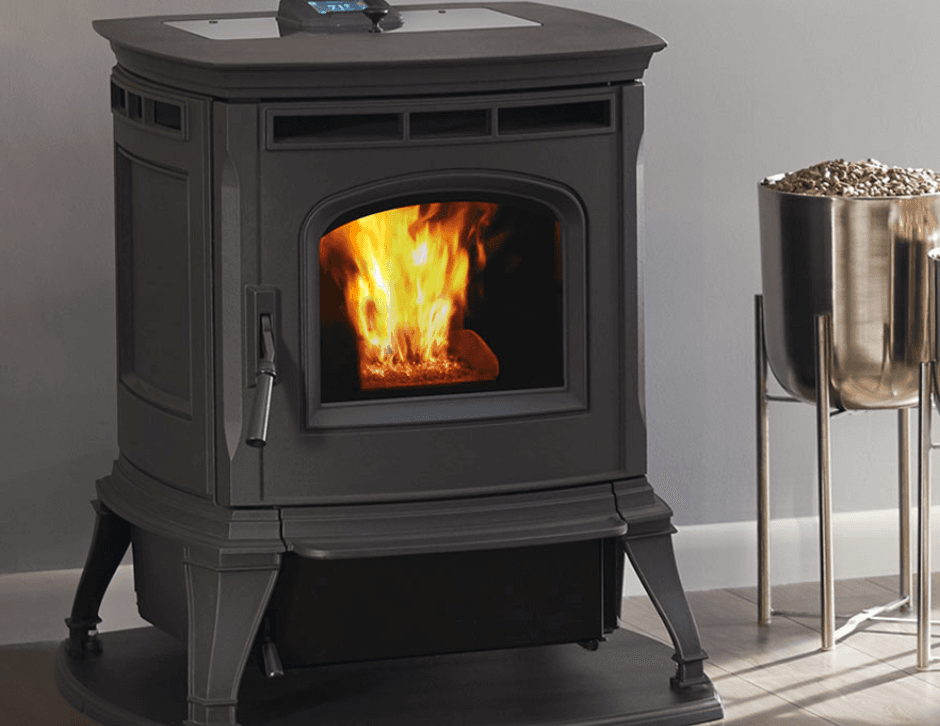
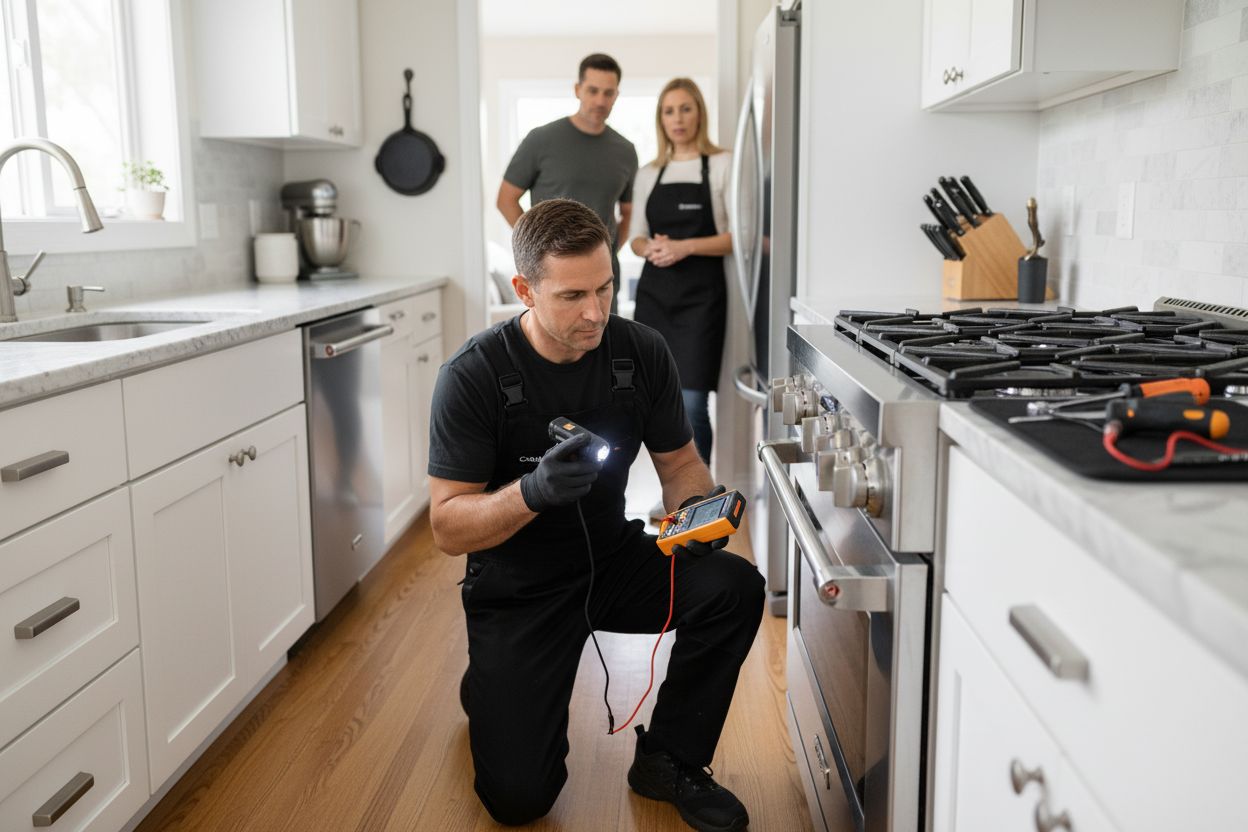
Did you know that neglecting stove maintenance can increase fire risk in homes by over 30 percent? A simple routine of cleaning and inspection keeps your stove running safely and efficiently while helping you avoid expensive repairs or dangerous breakdowns. Understanding what stove maintenance really involves sets the foundation for a safer home, lower energy bills, and peace of mind every time you cook or heat your space.
Key Takeaways
| Point | Details |
|---|---|
| Regular Maintenance is Essential | Consistent stove maintenance ensures safety, efficiency, and longevity by preventing major issues. |
| Tailored Care for Each Stove Type | Different stove types, such as wood, pellet, gas, and electric, require specific maintenance tasks for optimal performance. |
| Early Detection of Problems | Monitoring flame behavior and performing regular inspections can identify potential hazards early, ensuring safe operation. |
| Professional Help is Key | Certain warning signs, such as gas odors and significant soot buildup, necessitate immediate professional intervention to prevent safety risks. |
Table of Contents
- What Is Stove Maintenance? Core Essentials
- Types of Stoves and Their Maintenance Needs
- Routine Cleaning And Safety Inspection Steps
- Common Stove Problems and How to Fix
- When to Hire a Professional Stove Service
- Costs, Risks, and Mistakes to Avoid
What Is Stove Maintenance? Core Essentials
Stove maintenance is the systematic process of ensuring your heating appliance remains safe, efficient, and functional through regular care and inspection. Think of it like maintaining a car - consistent attention prevents major problems and extends the equipment's lifespan.
At its core, stove maintenance involves several critical components:
- Surface Cleaning: Regularly removing debris, grease, and accumulated residue from cooking surfaces
- Mechanical Inspection: Checking burners, igniters, and connection points for wear or damage
- Safety Feature Verification: Ensuring all built-in safety mechanisms like flame sensors and overheat protection are functioning correctly
- Ventilation Assessment: Examining exhaust systems and ensuring proper airflow
The most important aspects of maintenance focus on preventing potential hazards. This means monitoring flame behavior - a steady blue flame indicates proper combustion, while yellow or irregular flames might signal incomplete burning or potential carbon monoxide risks. Regular professional stove inspection services can help identify these subtle but critical issues before they become serious problems.
Ultimately, consistent maintenance isn't just about preserving your stove - it's about protecting your home and family from potential safety risks. A well-maintained stove operates more efficiently, uses less energy, and provides peace of mind that your heating system is running smoothly and safely.
Types of Stoves and Their Maintenance Needs
Every stove type has its unique maintenance requirements, much like different vehicles need specialized care. Understanding these specific needs is crucial for ensuring optimal performance, safety, and longevity of your heating appliance.
Wood Stoves
Wood stoves demand meticulous attention. Key maintenance tasks include:
- Regular chimney cleaning to prevent creosote buildup
- Checking and replacing door gaskets to maintain proper sealing
- Inspecting firebricks for cracks or damage
- Cleaning ash and ensuring proper ash disposal
Pellet Stoves
Pellet stoves require more frequent, detailed maintenance:
- Regular cleaning of the burn pot and hopper
- Checking and calibrating feed sensors
- Lubricating moving parts like augers and fans
- Monitoring electrical connections and ignition systems
Gas Stoves
Gas stoves have intricate maintenance needs focused on safety and efficiency:
- Checking burner channels for debris and blockages
- Monitoring gas connections for potential leaks
- Verifying flame failure devices and pilot light functionality
- Ensuring proper ventilation and carbon monoxide detection
Electric stoves are generally lower maintenance but still require periodic checks of electrical connections, heating elements, and surface conditions. Learn more about professional stove inspection services that can help you maintain your specific stove type safely and effectively.
Remember, while maintenance varies by stove type, the core goal remains consistent: keeping your heating appliance safe, efficient, and reliable.
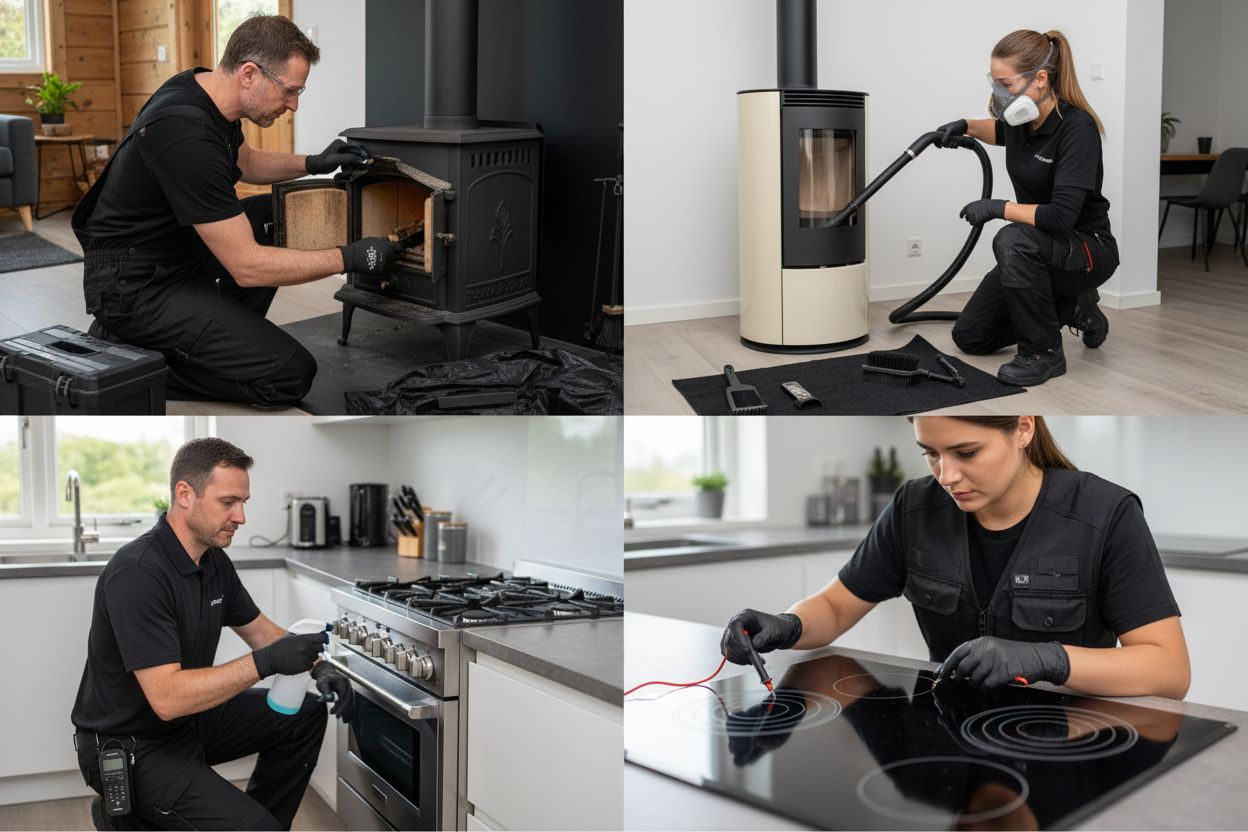
Here's a summary of maintenance needs by stove type:
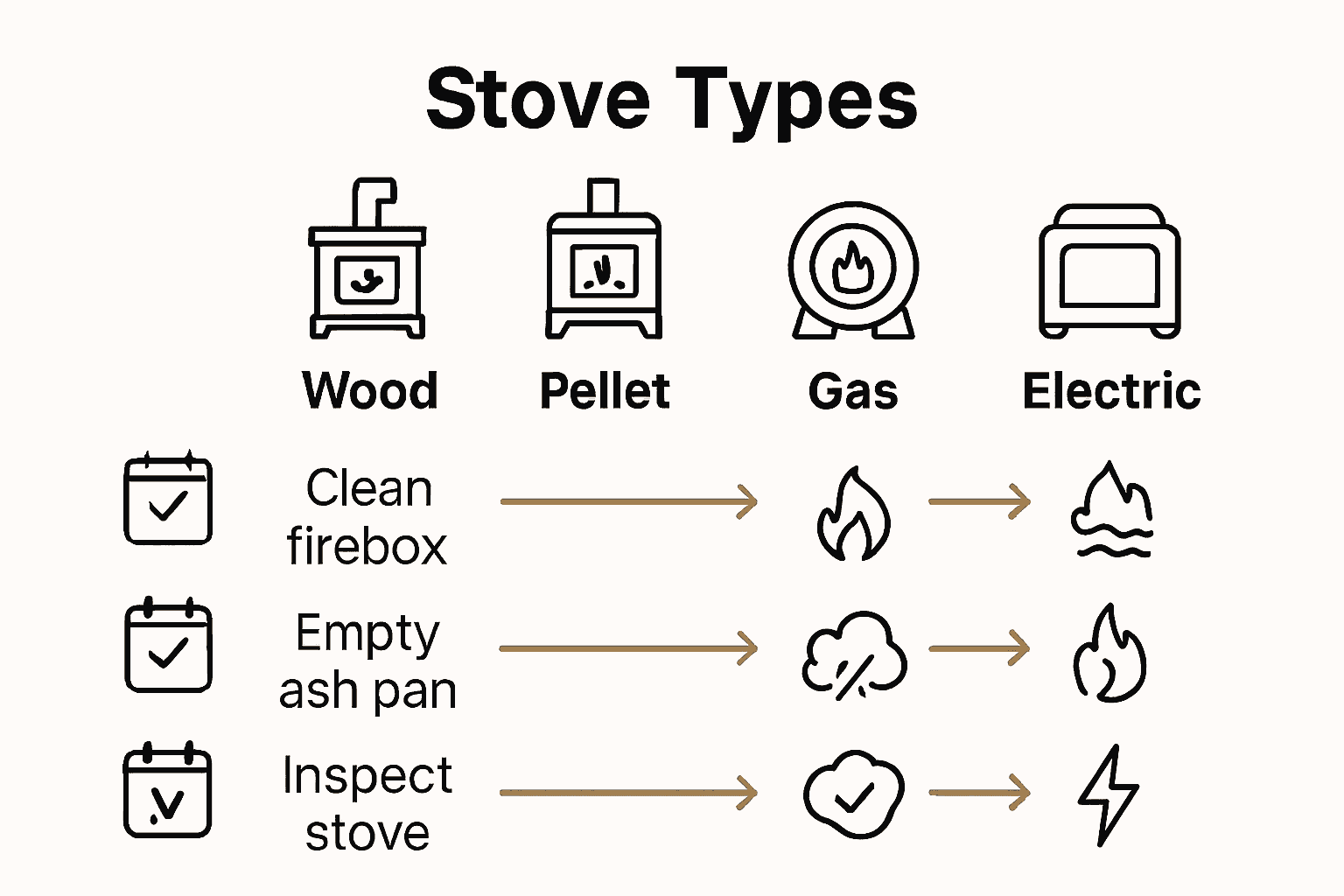
| Stove Type | Key Maintenance Tasks | Frequency |
|---|---|---|
| Wood Stove | Clean chimney<br>Check door gaskets<br>Inspect firebricks | Monthly<br>Seasonal |
| Pellet Stove | Clean burn pot<br>Lubricate auger<br>Check feed sensors | Weekly<br>Monthly |
| Gas Stove | Check burners<br>Monitor gas leaks<br>Test flame devices | Monthly |
| Electric Stove | Inspect heating coils<br>Clean surfaces<br>Check wiring | Monthly<br>Seasonal |
Routine Cleaning And Safety Inspection Steps
Routine maintenance transforms stove care from a daunting task to a simple, systematic process. Think of it like a health check-up for your heating appliance - regular attention prevents serious problems and ensures safe, efficient operation.
Daily and Weekly Maintenance
Start with quick, consistent care:
- Daily Tasks: Wipe down surfaces immediately after use
- Remove food spills and grease to prevent buildup
- Check for any visible damage or irregularities
- Weekly Tasks: Deep clean removable parts
- Soak grates and burner caps in mild detergent
- Clean surface areas thoroughly
- Inspect ignition systems for any signs of wear
Monthly Safety Inspection Checklist
A comprehensive monthly check involves more detailed steps:
- Disconnect power or gas supply before inspection
- Examine gas connections using soap water leak test
- Clean burner channels with specialized tools
- Check and replace worn gaskets or seals
- Verify all safety mechanisms are functioning
Professional stove inspection services can provide a comprehensive assessment if you're uncertain about performing these checks yourself.
Remember, consistent maintenance isn't just about cleanliness - it's about protecting your home and ensuring your stove operates at peak performance.Common Stove Problems and How to Fix
Stove problems can range from minor annoyances to serious safety hazards. Understanding common issues and their potential solutions can save you time, money, and prevent potentially dangerous situations.
Ignition and Flame Issues
Some of the most frequent problems involve starting and maintaining a proper flame:
- Weak or Inconsistent Ignition: Often caused by dirty or clogged burner ports
- Yellow or Irregular Flames: Indicates potential combustion problems
- Complete Failure to Ignite: Could signal thermocouple or electrical issues
Troubleshooting Steps
- Clean burner ports carefully using a small wire or specialized brush
- Check gas connections for any potential leaks
- Verify thermocouple alignment and condition
- Inspect electrical connections for signs of wear
Warning Signs Requiring Professional Help
Some problems are red flags that demand immediate professional attention:
- Persistent odd odors near the stove
- Significant black soot buildup
- Gas smell or suspected gas leak
- Repeated ignition failures
Safety First: When in doubt, always prioritize safety. Professional stove inspection services can diagnose and resolve complex issues quickly and safely. Minor maintenance can prevent major problems, but some repairs require expert intervention to ensure your stove operates correctly and safely.
When to Hire a Professional Stove Service
Professional stove services are more than just a convenience - they're a critical safety measure. While many minor maintenance tasks can be handled at home, certain situations demand expert intervention to prevent potential hazards and ensure your heating system operates correctly.
Critical Warning Signs
Some issues are clear indicators that professional help is necessary:
- Persistent gas odors when the stove is off
- Continuous yellow or irregular flames
- Repeated ignition failures
- Significant soot accumulation
- Visible damage to major components
- Suspected carbon monoxide risks
Safety-Critical Scenarios
Professionals should be called immediately for:
- Complex gas connection repairs
- Electrical system diagnostics
- Comprehensive safety inspections
- Major component replacements
- Installation of new stove systems
These scenarios require specialized knowledge and tools that go beyond typical homeowner maintenance capabilities. Fast chimney sweep services via WhatsApp can provide quick, professional assessments to address potential risks before they escalate.
Remember, while DIY maintenance is valuable, your safety should always be the priority. Professional stove services offer expertise, specialized equipment, and peace of mind that your heating system is functioning safely and efficiently.
Costs, Risks, and Mistakes to Avoid
Stove maintenance isn't just about keeping things clean - it's about preventing costly mistakes that could compromise your safety and wallet. Understanding common risks and pitfalls can save you significant money and potential household disasters.
Common Maintenance Mistakes
Homeowners frequently make critical errors that can lead to expensive repairs:
- Using abrasive cleaning tools that scratch sensitive surfaces
- Neglecting gas line and electrical connection inspections
- Pouring water directly onto hot stove surfaces
- Ignoring ventilation system maintenance
- Using incorrect cookware that damages burner elements
Financial and Safety Risks
Improper maintenance can result in:
- Increased energy consumption
- Higher repair costs
- Potential fire hazards
- Reduced appliance lifespan
- Compromised cooking performance
Pro Tip: Prevention is always cheaper than repair. Regular, careful maintenance can save hundreds in potential replacement costs.
Fast professional inspection services can help you avoid these costly mistakes by providing expert assessments and preventative maintenance. Remember, a small investment in proper care can prevent significant financial and safety risks down the line.
Protect Your Home With Expert Stove and Chimney Care
After learning how small mistakes with stove maintenance can cause bigger hazards in your home, you probably want more than just a checklist. You want true security. Many homeowners struggle with uncertainty about hidden risks like invisible gas leaks or unsafe ventilation. That sense of doubt is real. Your safety depends on solutions that go beyond basic cleaning and include professional inspection, extra attention to ventilation, and certified repairs.

Let our fully insured team take the worry out of home safety and efficiency. With fast professional stove inspection services in Dublin, you get quick booking, a thorough camera-verified assessment, and trusted repairs for leading stove brands. If you need chimney cleaning or safe stove maintenance, book an appointment today to protect your family and home. Do not wait until small issues become big emergencies—visit chimneysweeper.ie to get started now.
Frequently Asked Questions
What are the essential tasks involved in stove maintenance?
Essential tasks in stove maintenance include surface cleaning, mechanical inspections, safety feature verification, and ventilation assessments to ensure safe and efficient operation.
How do maintenance needs vary between different types of stoves?
Wood stoves require chimney cleaning and door gasket checks, pellet stoves demand cleaning of burn pots and lubrication of moving parts, gas stoves focus on checking for gas leaks and ensuring proper flame functionality, while electric stoves need checks of electrical connections and heating elements.
What are common stove problems and how can I troubleshoot them?
Common stove problems include weak ignition, yellow or irregular flames, and ignition failures. Troubleshooting involves cleaning burner ports, checking gas connections, and verifying thermocouple and electrical component conditions.
When should I hire a professional for stove service?
You should hire a professional for persistent gas odors, continuous yellow flames, repeated ignition failures, significant soot buildup, visible damage to components, or if there's a suspected carbon monoxide risk.