Did you know that over 40 percent of chimney-related house fires are linked to hidden structural flaws? Many people underestimate the importance of regular chimney smoke testing, leaving their homes exposed to invisible dangers. Reliable testing can uncover leaks and weaknesses that visual checks often miss, helping to prevent harmful gases like carbon monoxide from slipping into your living space. Understanding the true value of smoke testing protects your home, your health, and your peace of mind.
Table of Contents
- Chimney Smoke Testing: Core Purpose and Myths
- Types of Chimney Smoke Tests Explained
- Step-by-Step Chimney Smoke Testing Process
- Legal Standards and Safety Regulations
- Common Chimney Smoke Testing Mistakes to Avoid
Key Takeaways
| Point | Details |
|---|---|
| Comprehensive Assessment | Chimney smoke testing is essential for identifying hidden hazards, ensuring indoor air quality and safety. |
| Necessary for All Chimneys | Regular inspections are vital, even for infrequently used chimneys, to prevent dangerous conditions like creosote buildup. |
| Professional Expertise Required | DIY smoke testing is inadequate; professional technicians provide thorough evaluations using specialized equipment. |
| Legal Compliance | Adhering to building regulations and safety standards during testing safeguards against structural and health risks. |
Chimney Smoke Testing: Core Purpose and Myths
Chimney smoke testing is a critical diagnostic procedure designed to assess the structural integrity and safety of your home's ventilation system. At its core, this process helps identify potential hazards that could compromise indoor air quality and resident safety.
The fundamental purpose of smoke testing is detecting hidden leaks, blockages, or structural weaknesses in chimney systems that might allow dangerous combustion gases to infiltrate living spaces. Professional technicians use specialized equipment to simulate realistic burning conditions and trace potential escape routes for carbon monoxide and other harmful emissions. Key objectives include:
- Identifying potential structural cracks
- Detecting improper sealing or insulation
- Verifying proper gas evacuation pathways
- Preventing potential carbon monoxide risks
Contrary to popular misconceptions, chimney inspections aren't optional or limited to frequently used fireplaces. Even minimally used chimneys can develop significant problems over time. Creosote buildup, structural degradation, and potential blockages can occur regardless of usage frequency. Book a fast chimney sweep service via WhatsApp to ensure your home remains safe and your heating system functions optimally.
Most homeowners mistakenly believe that visual inspections are sufficient. However, smoke testing provides a comprehensive assessment that goes beyond surface-level examinations, revealing hidden issues that could pose serious health and safety risks. Professional testing offers peace of mind by systematically verifying your chimney's structural soundness and proper functionality.
Types of Chimney Smoke Tests Explained
Chimney smoke tests are sophisticated diagnostic procedures with distinct methodologies designed to assess different aspects of a chimney's performance and safety. Understanding these variations helps homeowners and professionals comprehensively evaluate potential structural risks and ventilation issues.
The first primary type is the Sealed Chimney Pressure Test, which involves completely sealing the flue and introducing specialized smoke to detect potential leaks. Technicians carefully pressurize the chimney system, allowing smoke to reveal hidden cracks, gaps, or structural weaknesses that might compromise safety. This method is particularly effective for identifying subtle vulnerabilities that visual inspections might miss.
The second critical type is the Chimney Draw Test, which assesses the ventilation system's efficiency without sealing the flue. During this test, technicians evaluate:
- Smoke evacuation performance
- Proper draft and airflow characteristics
- Potential obstructions in the chimney pathway
- Ventilation system's overall functionality
Book a fast chimney sweep service via WhatsApp to ensure professional and comprehensive smoke testing for your home. While these tests might seem technical, they're crucial for preventing potential carbon monoxide risks and maintaining your heating system's long-term safety and efficiency.
Professional chimney technicians typically recommend conducting both test types as part of a comprehensive inspection. Each test provides unique insights into your chimney's structural integrity, helping identify potential issues before they escalate into serious safety concerns or expensive repair scenarios.
Here's a comparison of the two main chimney smoke testing methods:
| Test Type | Methodology | Key Purpose | Issues Detected |
|---|---|---|---|
| Sealed Chimney Pressure Test | Seals flue, pressurizes system | Reveal hidden cracks, gaps, leaks | Structural weaknesses<br>Leaks |
| Chimney Draw Test | Tests with flue open | Assess airflow and smoke evacuation | Draft issues<br>Blockages |
Step-by-Step Chimney Smoke Testing Process
Chimney smoke testing is a meticulous diagnostic procedure that requires precision and specialized equipment to ensure comprehensive safety assessment. The process demands careful preparation and expert implementation to reveal potential structural vulnerabilities in your home's ventilation system.
The initial stage involves preparing the chimney for testing. Technicians first warm the flue to create optimal testing conditions, ensuring accurate smoke movement and detection. They then strategically place smoke pellets in the fireplace, which generate dense, traceable smoke designed to expose even the most subtle structural weaknesses. The key preparation steps include:
- Ensuring proper ventilation
- Warming the flue to optimal temperature
- Selecting appropriate smoke-generating materials
- Preparing sealing equipment
During the primary testing phase, professionals seal the chimney at critical points to control smoke flow and pressure. This controlled environment allows them to systematically trace potential leak points, identifying cracks, gaps, or structural compromises that might compromise safety. Contact our chimney sweeping experts to ensure a thorough and professional assessment of your chimney's integrity.
The final stage involves detailed visual inspection and documentation. Technicians carefully observe smoke movement, noting any unexpected dispersal patterns that might indicate hidden structural issues. By methodically tracking smoke paths, they can pinpoint exact locations of potential weaknesses, providing homeowners with a comprehensive understanding of their chimney's condition and any necessary repairs or maintenance requirements.
Legal Standards and Safety Regulations
Chimney smoke testing is not merely a technical procedure but a critical safety protocol governed by stringent legal standards and building regulations. These comprehensive guidelines ensure that chimney systems meet essential safety requirements, protecting homeowners from potential structural and health risks.
Building regulations play a crucial role in defining the standards for chimney installations and maintenance. Document J of the Building Regulations specifically addresses requirements for connecting wood-burning stoves and fireplaces, outlining precise specifications for chimney liners, joint integrity, and smoke evacuation systems. Key regulatory considerations include:
- Proper installation of chimney liners
- Verification of sound structural joints
- Ensuring adequate draft and smoke removal
- Compliance with British and European safety standards
Professional chimney technicians must adhere to these strict guidelines during every inspection and smoke testing procedure. Book a fast chimney sweep service via WhatsApp to ensure your chimney meets all required legal and safety standards. These regulations are not bureaucratic formalities but critical safeguards designed to prevent potential carbon monoxide leaks, structural failures, and fire hazards.
Noncompliance with these legal standards can result in significant safety risks and potential legal consequences. Homeowners should prioritize working with certified professionals who understand and meticulously follow current building regulations, ensuring their chimney systems are not just functional, but fundamentally safe and legally compliant.
Common Chimney Smoke Testing Mistakes to Avoid
Chimney maintenance requires more than occasional attention, and many homeowners unknowingly compromise their safety by making critical errors during smoke testing and inspection processes. Understanding these common mistakes can prevent potentially dangerous situations and expensive repairs.
One of the most significant misconceptions is believing that chimneys requiring minimal use do not need regular inspection. Even infrequently used fireplaces can accumulate dangerous creosote buildup, develop structural weaknesses, and create hidden safety hazards. Homeowners often mistakenly assume visual inspections are sufficient, which can lead to overlooking critical structural issues that only professional smoke testing can reveal.
Key mistakes to avoid during chimney smoke testing include:
- Attempting DIY testing without professional equipment
- Neglecting annual comprehensive inspections
- Ignoring minor structural changes or subtle smoke leakage signs
- Assuming infrequent fireplace use eliminates maintenance requirements
- Failing to document and track chimney condition over time
Book a fast chimney sweep service via WhatsApp to ensure professional, comprehensive testing that identifies potential risks before they escalate. Professional technicians bring specialized knowledge and equipment that can detect nuanced issues invisible to untrained eyes.
Ultimately, chimney smoke testing is not a luxury but a critical safety procedure. Homeowners who treat these inspections as optional risk exposing their families to carbon monoxide, structural degradation, and potential fire hazards. Investing in professional, thorough smoke testing is far more cost-effective than dealing with emergency repairs or potential life-threatening situations caused by neglected maintenance.
Protect Your Home With Expert Chimney Smoke Testing and Sweeping
Have you ever wondered if an unseen crack or a hidden blockage could put your family at risk? The article laid out how simple visual checks are not enough. You need professional chimney smoke testing to detect leaks, prevent carbon monoxide infiltration, and ensure your fireplace stays safe each winter. Problems like creosote buildup and concealed structural weaknesses threaten every home, whether you use your stove every day or only on cold nights.
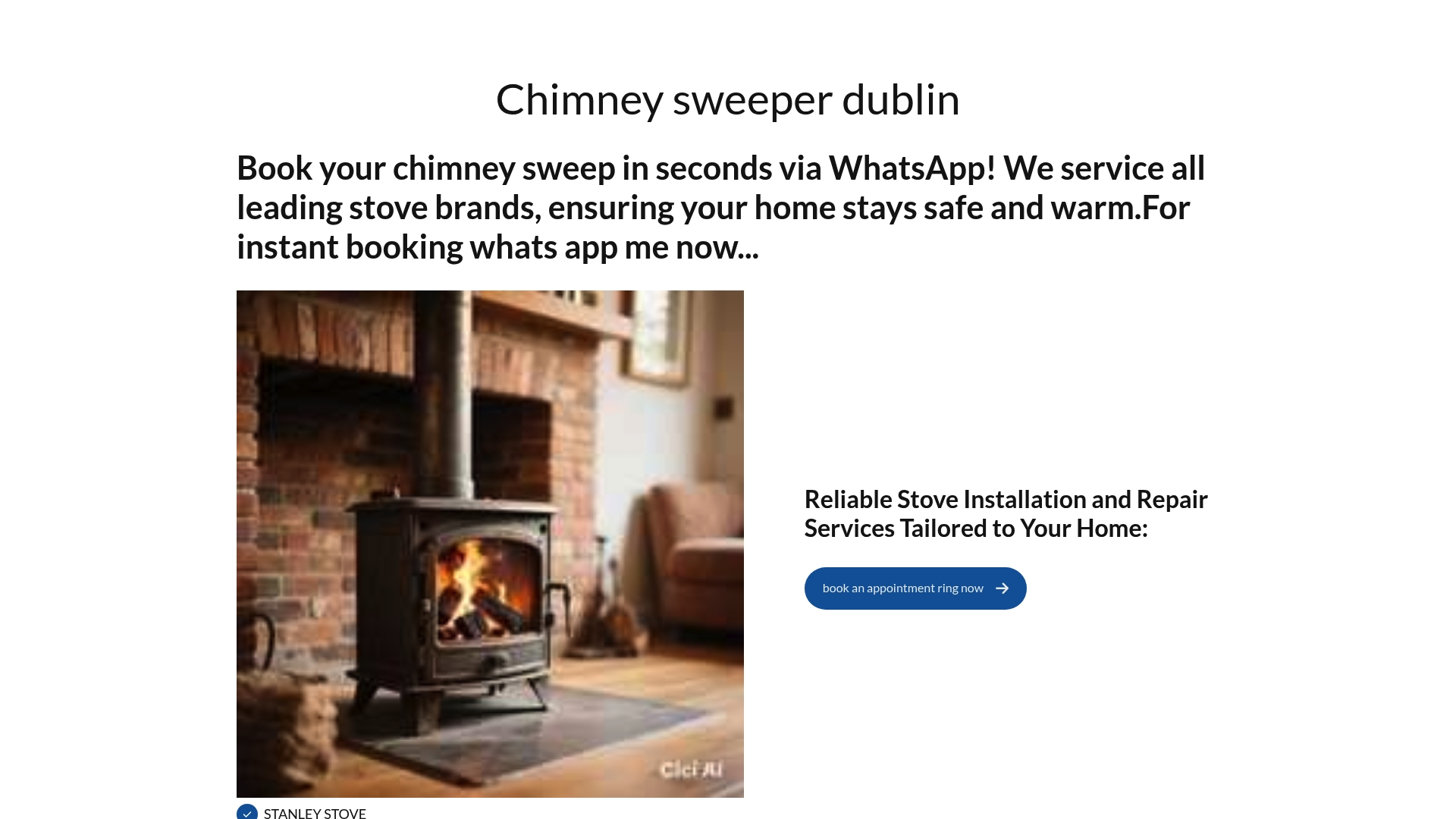
Booking a fast and thorough chimney inspection with chimneysweeper.ie is easy and instant, especially through our WhatsApp booking service. Our licensed experts use advanced camera inspections and proven smoke testing methods to uncover risks and bring peace of mind right away. Do not wait for small issues to become emergencies. Visit chimneysweeper.ie now and secure your home’s safety with a single click or quick message. Your family’s well-being depends on it.
Frequently Asked Questions
What is the purpose of chimney smoke testing?
Chimney smoke testing is designed to assess the structural integrity and safety of your home's ventilation system, helping to detect hidden leaks, blockages, or vulnerabilities that could allow harmful combustion gases like carbon monoxide to enter living spaces.
How often should chimney smoke testing be performed?
Chimney smoke testing should be conducted regularly as part of annual inspections, regardless of how frequently the fireplace is used. Even minimally used chimneys can develop significant issues like creosote buildup and structural weaknesses over time.
What are the main types of chimney smoke tests?
The two main types of chimney smoke tests are the Sealed Chimney Pressure Test, which identifies hidden leaks by sealing the flue, and the Chimney Draw Test, which assesses airflow efficiency and potential obstructions in the chimney pathway.
Can I perform chimney smoke testing myself?
Attempting DIY chimney smoke testing without professional equipment and expertise is not recommended. Professional technicians have the specialized knowledge and tools necessary to accurately evaluate chimney conditions and detect issues that may go unnoticed by untrained individuals.