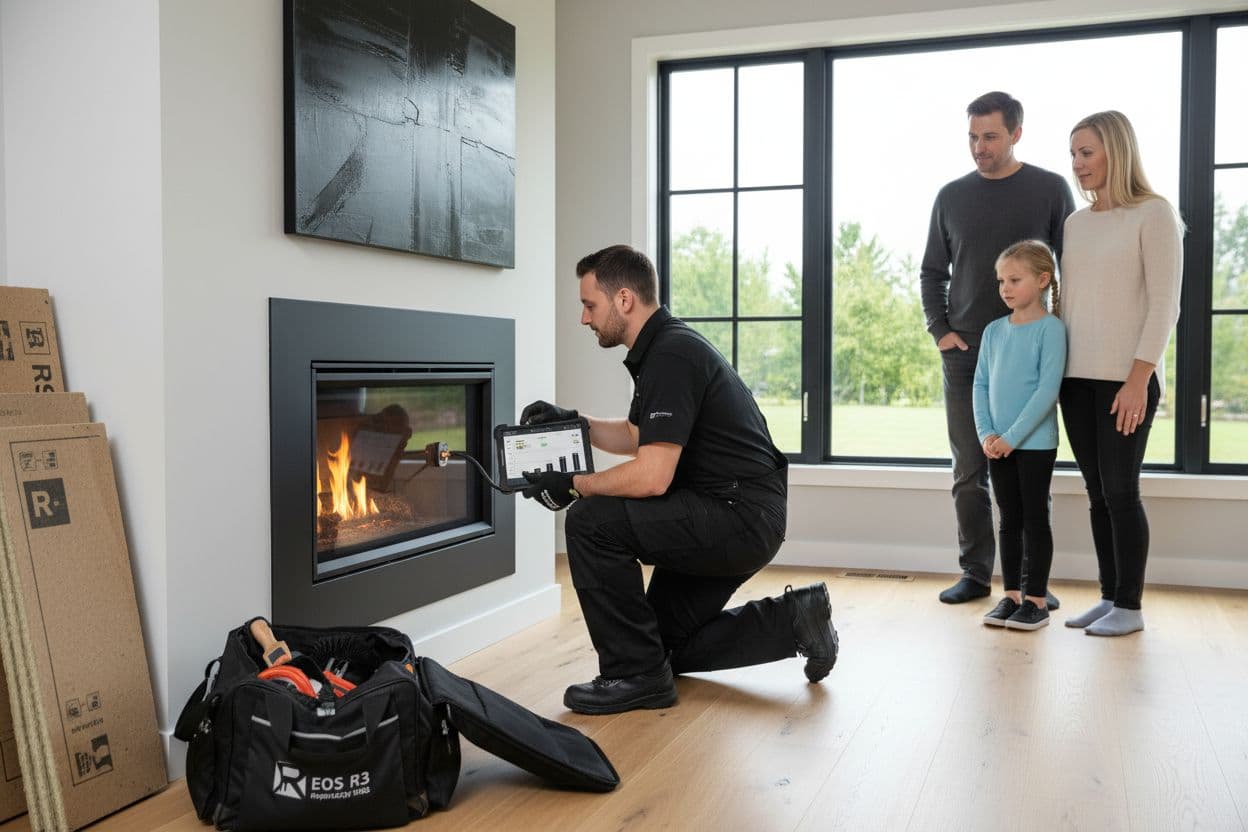
Did you know that traditional fireplaces can waste up to 90 percent of their heat output? Many homeowners are surprised to learn how much energy escapes through the chimney instead of filling their living rooms with warmth. Efficient chimney performance matters for both your comfort and your wallet, and small upgrades could have a major impact on energy savings and air quality at home.
Key Takeaways
| Point | Details |
|---|---|
| Chimney Efficiency | Chimney efficiency affects heating performance, comfort, and energy costs, with modern systems offering significant improvements over traditional designs. |
| Chimney Types | Different chimney systems have varying efficiency rates, with direct-vent fireplaces (up to 85%) outperforming traditional masonry options (10-20%). |
| Maintenance Importance | Regular maintenance, including annual inspections and cleaning, is essential to prevent efficiency loss and ensure safety. |
| Common Issues | Identifying and resolving common problems like creosote buildup and structural damage is crucial for maintaining optimal chimney performance. |
Table of Contents
- What Is Chimney Efficiency and Performance
- Types of Chimneys and Their Efficiency
- Factors Affecting Chimney Efficiency
- Maintenance Routines for Optimal Efficiency
- Common Chimney Efficiency Issues and Fixes
What Is Chimney Efficiency and Performance
Chimney efficiency measures how effectively your heating system converts fuel into heat while minimizing energy waste and heat loss. Think of it like a performance report card for your fireplace or wood stove. Performance directly impacts your home's comfort, energy costs, and environmental footprint.
At its core, chimney efficiency involves several critical factors: how well heat is generated, distributed, and retained within your living space. Traditional open fireplaces typically operate at extremely low efficiency rates around 10-20%, meaning most of the heat generated escapes up the chimney instead of warming your home. By contrast, modern fireplace inserts and direct-vent systems can dramatically improve these numbers, with EPA-certified wood-burning inserts boosting efficiency up to 50%.
Key efficiency indicators include:
- Heat output percentage
- Fuel consumption rates
- Creosote and emissions reduction
- Indoor air temperature maintenance
Improving your chimney's performance isn't just about comfort—it's a smart financial and environmental strategy. Upgrading to high-efficiency systems can significantly reduce heating expenses while minimizing your carbon footprint. Want to get started? book a fast chimney sweep service via WhatsApp to assess your current setup and explore optimization strategies.
Types of Chimneys and Their Efficiency
Chimney types play a crucial role in determining overall heating efficiency, with each design offering unique performance characteristics. Homeowners have several options, ranging from traditional masonry chimneys to modern direct-vent and prefabricated systems, each with distinct advantages in heat retention and energy conservation.
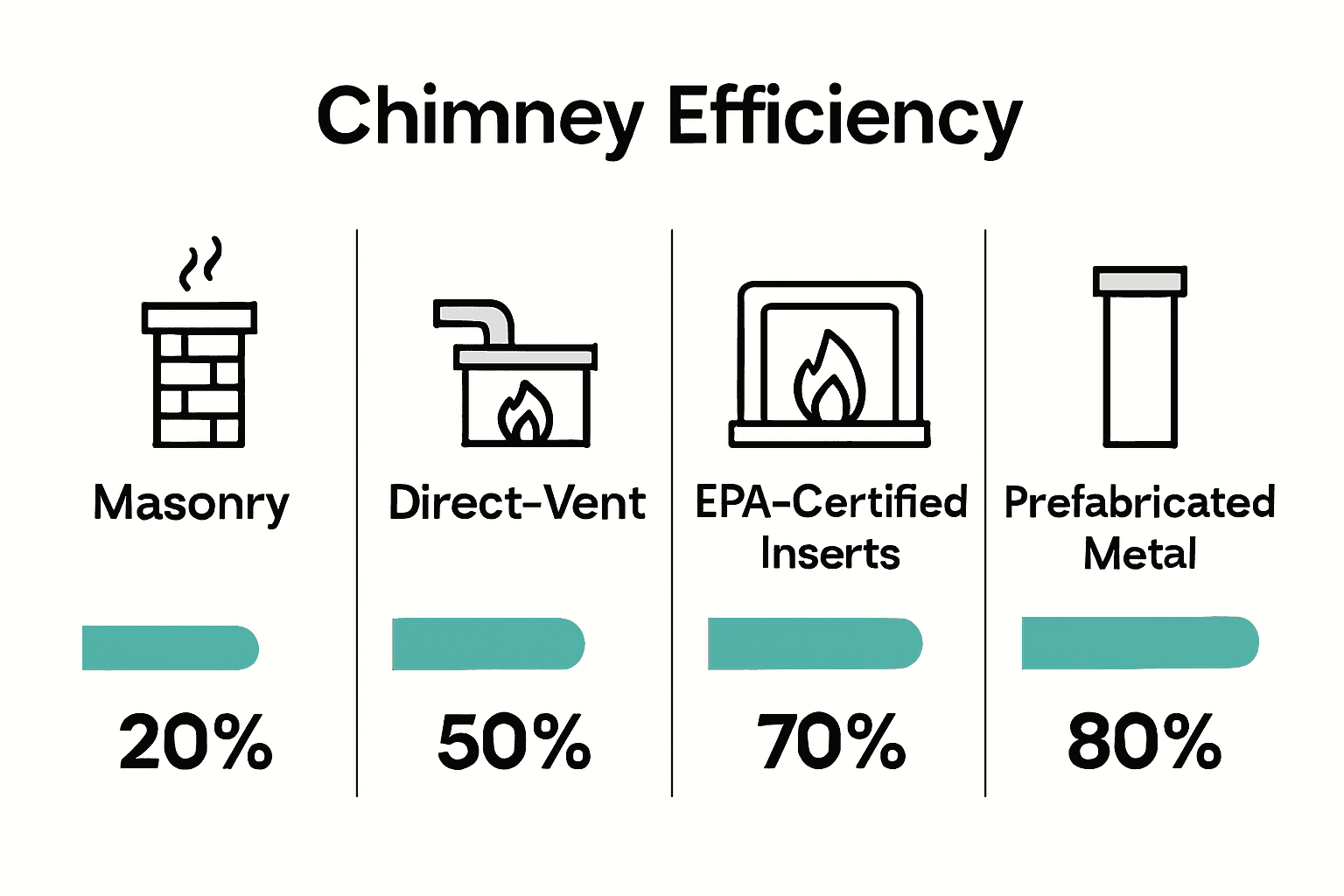
Traditional masonry chimneys are classic brick or stone structures that typically have lower efficiency rates, often operating around 10-20%. These open designs allow significant heat loss, with most warmth escaping up the chimney instead of heating the living space. In contrast, direct-vent fireplaces represent a significant technological advancement, achieving efficiency rates around 85% by using sealed combustion chambers that minimize heat escape and prevent indoor air contamination.
Key chimney types and their efficiency characteristics include:
Here's a comparison of the main chimney types and their efficiency characteristics:
| Chimney Type | Efficiency Rate | Key Features |
|---|---|---|
| Masonry Chimneys | 10-20% | Classic design<br>High heat loss<br>Brick or stone |
| Direct-Vent Fireplaces | Up to 85% | Sealed chamber<br>High efficiency<br>Minimizes indoor air contamination |
| EPA-Certified Fireplace Inserts | Up to 50% | Retrofit-ready<br>Improved heat retention |
| Prefabricated Metal Chimneys | 40-60% | Moderate efficiency<br>Quick installation |
- Masonry Chimneys: Low efficiency (10-20%)
- Direct-Vent Fireplaces: High efficiency (up to 85%)
- EPA-Certified Fireplace Inserts: Improved efficiency (up to 50%)
- Prefabricated Metal Chimneys: Moderate efficiency (40-60%)
Choosing the right chimney type can dramatically reduce energy costs and improve home heating performance.
 If you're looking to upgrade or assess your current chimney's efficiency, contact our chimney sweeping services for a professional evaluation and personalized recommendations.
Factors Affecting Chimney Efficiency
Chimney efficiency is a complex interplay of multiple technical and structural factors that can significantly impact your home's heating performance. Understanding these key elements helps homeowners optimize their heating systems and reduce energy waste, ultimately saving money and improving overall comfort.
One critical factor is chimney draft, which depends on several intricate variables. Proper chimney sizing is crucial - a flue that's too large or small can dramatically diminish airflow and heat transfer. Chimney height also plays a vital role, with taller chimneys creating better temperature differentials that enhance natural draft. Indoor ventilation pressure can further complicate draft dynamics, potentially causing unexpected air flow reversals that compromise heating efficiency.
Key efficiency-impacting factors include:
- Chimney flue dimensions and proportions
- Overall chimney height
- Indoor and outdoor temperature differences
- Structural integrity of chimney seals
- Quality of insulation around chimney structures
- Presence of obstructions or damage
Heat loss represents another significant efficiency challenge. Unsealed or poorly insulated chimneys can leak warm air and allow cold drafts, drastically reducing system performance. Common culprits include damaged chimney caps, improperly sealed dampers, masonry gaps, and inadequate insulation. Our chimney sweeping services can comprehensively assess these potential efficiency barriers and recommend targeted improvements for your specific heating system.
Maintenance Routines for Optimal Efficiency
Chimney maintenance is the cornerstone of ensuring consistent heating performance and safety in your home. Regular upkeep prevents efficiency loss, reduces potential fire hazards, and extends the overall lifespan of your heating system, making it a critical investment for homeowners.
Professional chimney experts recommend a structured maintenance approach tailored to your specific heating setup. For wood-burning chimneys, the gold standard is scheduling professional cleaning twice annually, while smokeless fuel systems typically require at least one comprehensive annual inspection. These maintenance sessions focus on removing dangerous creosote buildup, inspecting structural integrity, and ensuring optimal airflow which directly impacts heating efficiency.
Key maintenance tasks include:
- Annual professional chimney inspection
- Thorough cleaning to remove soot and creosote
- Checking and replacing damper seals
- Inspecting chimney liner for cracks or damage
- Verifying structural integrity of chimney walls
- Ensuring proper ventilation and draft
Beyond professional services, homeowners can support chimney efficiency through simple visual inspections and proactive care. Look for signs of wear, check for obstructions, and monitor performance indicators like smoke quality and draft strength.
VIDEO:video_content] [Book our chimney sweeping services to guarantee a comprehensive maintenance routine that keeps your heating system running smoothly and efficiently.
Common Chimney Efficiency Issues and Fixes
Chimney problems can dramatically reduce heating performance and create potential safety risks for homeowners. Recognizing and addressing these issues early is crucial to maintaining your heating system's effectiveness, preventing costly repairs, and ensuring your home remains warm and safe.
The most prevalent efficiency-compromising issues include creosote buildup, structural damage, and various blockages that impede proper airflow. Creosote, a highly flammable tar-like substance produced during wood burning, accumulates in chimney linings and can significantly reduce draft efficiency. Structural problems like cracked flue liners, damaged chimney caps, and deteriorating masonry can create air leaks that compromise your heating system's overall performance.
Common chimney efficiency challenges include:
- Creosote accumulation reducing airflow
- Blocked or damaged chimney flues
- Cracked or deteriorating masonry
- Compromised chimney caps and crowns
- Animal nesting and debris blockages
- Water damage and moisture infiltration
- Inadequate insulation around chimney structures
Addressing these issues requires professional intervention and proactive maintenance. Minor problems can quickly escalate into major structural concerns if left unattended. Our comprehensive chimney sweeping services can diagnose and resolve these efficiency challenges, ensuring your heating system operates at peak performance while maintaining maximum safety standards.
Transform Your Chimney’s Efficiency With Dublin’s Trusted Experts
Struggling with cold drafts, high heating bills, or worrying about creosote buildup? You’re not alone. Many Dublin homeowners face the same issues discussed in our complete guide to chimney efficiency. Inefficient chimneys waste heat, compromise comfort, and put your home at risk. If you want to stop losing warmth and money through your old fireplace or stove, it’s time for a change. Our team at chimneysweeper.ie uses camera inspections to pinpoint and fix issues that drain efficiency. We specialize in professional chimney cleaning, expert repairs, and stove installations so you enjoy the safe, cozy home you deserve.

Don’t put off essential maintenance. Take control of your home’s comfort and start saving on energy bills now. Click to book a fast chimney sweep service through WhatsApp for immediate peace of mind. For more details on our full range of services, visit our main page at chimneysweeper.ie. Get the most from your fireplace or stove with trusted, local professionals.
Frequently Asked Questions
What is chimney efficiency and why is it important?
Chimney efficiency measures how effectively your heating system converts fuel into heat while minimizing energy waste. It impacts your home's comfort, energy costs, and carbon footprint.
How can I improve the efficiency of my chimney?
Improving chimney efficiency involves upgrading to higher-efficiency systems, ensuring proper chimney sizing, maintaining structural integrity, and conducting regular maintenance, such as cleaning and inspection.
What are the different types of chimneys and their efficiency rates?
Chimneys vary widely in efficiency. Traditional masonry chimneys typically have an efficiency rate of 10-20%, while direct-vent fireplaces can achieve up to 85%. EPA-certified inserts offer up to 50% efficiency.
What common issues can affect chimney efficiency?
Common issues include creosote buildup, structural damage, blockages, and inadequate insulation. These problems can significantly impact airflow and overall heating performance.